
Chinese 8-Ball (Heyball): Rules, Table and Difficulty
Chinese 8-ball, called heyball on the international circuit, is ordinary 8-ball (solids, stripes, black 8 last) played with American 2 1/4-inch balls on a table built like a small snooker table. The playing area is about the same as a 9-foot pool table. The difference is everything around it: napped cloth, flat-faced cushions and rounded, snooker-style pockets that don't funnel a ball in the way angled pool pockets do.
The rules are close enough to world standard 8-ball that any league player can start in five minutes. The potting is a different matter. The WPA now publishes official Rules of Heyball (effective August 16, 2025), and the pro events pay some of the biggest first prizes in cue sports.
What is heyball?
Heyball is the international name for Chinese 8-ball. The game took shape in China in the mid-1980s and 1990s and has since become the most popular cue sport there, with tournaments carrying some of pool's largest prize money. The equipment borrows from both sides: pool balls and pool rules on a snooker-style table.
The World Pool-Billiard Association, the same body that writes the world standardized rules for 8-ball and 9-ball, publishes the official heyball rules and backs a heyball world championship. Most of the professional action runs through Joy Billiards, a Chinese company that makes the tables and promotes the main tour.
Heyball vs American 8-ball at a glance
| Heyball (Chinese 8-ball) | American 8-ball | |
|---|---|---|
| Playing area | 2,540 x 1,260 mm (about 100 x 49.6 in) | 100 x 50 in on a 9-foot table; 7- and 8-foot tables are common |
| Pockets | Rounded, snooker-style jaws | Angled facings; WPA corner mouth 4.5 to 4.625 in |
| Cloth | Napped, snooker-style | Standard pool cloth |
| Cushions | Flat-faced, snooker profile | Pool profile |
| Balls | 57.15 mm (2 1/4 in) solids and stripes; WPA UNITY set required in WPA events since August 25, 2025 | 2 1/4 in solids and stripes |
| Calling shots | Nothing called, including the 8; flukes count | Call shot under WPA rules (obvious shots excepted) |
| Groups after the break | Always open | Open under WPA; APA can assign them on the break |
| Foul after the break | Opponent may take ball in hand behind the head string or re-rack | Ball in hand behind the head string (WPA) |
| Foul during play | Ball in hand anywhere | Ball in hand anywhere |
| Shot clock | Usually 45 seconds, one 30-second extension per rack | Set by the event |
If you know the standard 8-ball rules, two rows change how you actually play: the pockets and the no-call rule. The rest is detail.
How hard is heyball?
Harder than American 8-ball, by a clear margin, and almost all of it comes from the pockets.
An American corner pocket has facings cut at an angle, so a ball that's a little off line hits the facing and still gets steered into the hole. Heyball pockets are rounded like snooker pockets. There's no funnel: a ball either reaches the opening cleanly or the curved jaw throws it back out. With full-size pool balls going into those jaws, a shot you'd rattle in at the local bar is a miss.
Shots along a cushion suffer most. On the AzBilliards forum, rules expert Bob Jewett described how a rail shot into a heyball corner needs the ball within a couple of millimeters of the cushion to drop. Other players in the same thread split on the middle pockets, with some finding them roomy and the corners tight.
The cloth adds a second adjustment. Napped cloth behaves differently from pool cloth, most of all on slow rolling shots, so speed control has to be relearned. Who struggles most?
- Bar-box players used to big pockets and slop, because the table punishes both.
- Players who rely on hitting hard to force balls in. Pace doesn't help when the jaw rejects the ball.
- Banking specialists, because flat-faced snooker cushions aren't pool cushions, and familiar bank lines need rechecking.
The upside is real, though. Spend an evening on those pockets and the corners on a regular pool table look a lot bigger the next time you play.
Heyball rules in plain terms
These come from the WPA Rules of Heyball. Individual events can add their own regulations, such as match length.
Rack and break
The 8 goes in the center of the rack, one solid and one stripe on the back corners, and the remaining solids and stripes are spread out as much as possible. The break has to be a real break: soft breaks are prohibited, with a warning first, then loss of the rack, then loss of the match. A legal break pockets a ball or drives at least four balls to a cushion. If it doesn't, the opponent can play the table as it lies or have it re-racked and choose who breaks.
Pocketing the 8 on a clean break is neither a win nor a loss: the breaker spots it and plays on, or breaks again. A foul on the break gives the opponent a choice of ball in hand behind the head string or a re-rack.
During the rack
The table is always open after the break, whatever went in. The first ball you legally pocket after the break decides your group. You never call a shot, not even on the 8, and flukes count. Every shot after that must hit your own group first, then pocket a ball or send some ball to a cushion. Fouls give ball in hand anywhere on the table.
Jump shots are legal when the tip strikes the upper half of the cue ball. If the cue ball clears a ball because you hit low on it or miscued, that's a foul. Some heyball fouls will surprise pool players: shooting one-handed, using an external extension or a bridge on the table, and having your phone ring (a foul the first time, loss of the rack after that).
Losing the rack
You lose if you pocket the 8 on a foul, pocket it along with your last group ball, pocket it before your group is cleared, or knock it off the table. Any other foul while you're on the 8 is just a foul.
Clocks and shootouts
Pro heyball is usually timed: 45 seconds per shot with one 30-second extension per rack, and often a match clock (the WPA rules use 120 minutes as the example). If a timed match ends level, it goes to a five-shot shootout with the cue ball on the head spot and the 8 on the foot spot, then sudden death.
The Chinese 8-ball table
The WPA spec sets the playing area at 2,540 by 1,260 mm with a 9 mm tolerance, and the cushion top 800 to 850 mm off the floor. That's essentially the footprint of a 9-foot pool table, so a room that fits a 9-footer fits a heyball table; our guide to how much room a pool table needs has the clearance numbers.
What you can't get by converting a pool table is the rounded pocket shape and the snooker cushion profile. Most tables in clubs come from Joy, whose table factory supplies the pro tour. The WPA rules don't publish a pocket width, so be skeptical of any single number you see quoted.
Price and availability outside China are spotty. One club in Canberra, Australia reported in 2024 that its eight Chinese-spec tables cost about $5,000 each plus shipping. If you're thinking of a heyball table at home, plan on a specialist dealer and full snooker-style cloth care, since napped cloth needs regular brushing to play true.
Chinese 8-ball cues
You don't need a special cue. The WPA heyball rules only require a cue at least 101.6 cm (40 inches) long that meets the World Heyball Masters standards, which an ordinary playing cue clears easily. Most players start with the cue they already use for pool.
Players who come from snooker often keep a snooker-style cue, with a smaller tip and a stiff ash or maple shaft, and that works too. Tip size is a feel preference, not a rule, and it's worth reading our pool cue tip size guide before switching. If you want a dedicated cue for the narrower game, the shortlist in best snooker cues is a sensible place to start. Whatever you play with, a straight shaft and a well-shaped, chalked tip matter more here than on a pool table, because the pockets don't forgive a miscued or slightly crooked hit.
The money and the pro tour
The growth shows up best in the prize money. In January 2017 the 5th World Chinese 8-Ball Masters in Qinhuangdao guaranteed 300,000 yuan (about $45,000) for first, and Joy's invited "dream team" for that event included Stephen Hendry and Gareth Potts. By April 2023, Zheng Yubo won USD 740,000 at the 11th World Heyball Masters Grand Final, billed as the largest prize in WPA history at the time.
| Event | When | Prize money reported |
|---|---|---|
| 5th World Chinese 8-Ball Masters, Qinhuangdao | January 2017 | About $45,000 to the winner, purse around $120,000 |
| 11th World Heyball Masters Grand Final | April 2023 | USD 740,000 to the winner |
| 13th World Heyball Masters Grand Finals, Chengdu | April to May 2025 | About $1.62 million total, about $685,000 to the champion |
| WPA Heyball World Championship, Brisbane | November 2025 | USD 400,000 total, 128 players from 70+ countries |
The 2025 Chengdu event ran a qualifying stage for 160 international players before the main draw, and the Brisbane organizers have said they want heyball in the 2032 Olympic Games. For pool players outside China, heyball is now one of the few routes to a six-figure payday.
How to try it
Heyball tables are still rare in North America, so search local rooms for "heyball" or "Chinese 8-ball" and ask whether anyone runs a weekly night. Some rooms keep a few next to their regular pool tables. The Canberra club mentioned above, for example, runs a heyball tournament on Tuesdays and American pool on Thursdays.
No table nearby? You can still train for it. Play 8-ball on a 9-footer where only balls that drop cleanly count, treat any rattle as a miss, and practice rail shots at slow speed. Drills from our pool practice drills page work fine with that scoring. If you have access to a snooker table, rolling American-size balls into snooker pockets gives you a rough feel for how unforgiving the jaws are.
Sources
- WPA Rules of Heyball (effective 2025-08-16)
- WPA Recommended Equipment Specifications
- WCBS: Zheng Yubo takes USD 740,000 at the 11th World Heyball Masters Grand Final
- AzBilliards: Joy Billiards announces 5th World Chinese 8-Ball Masters (2016)
- 2025 WPA Heyball World Championship release (GlobeNewswire via AAP)
Our picks
Links open the current selection and price on Amazon so you can compare real reviews before buying.
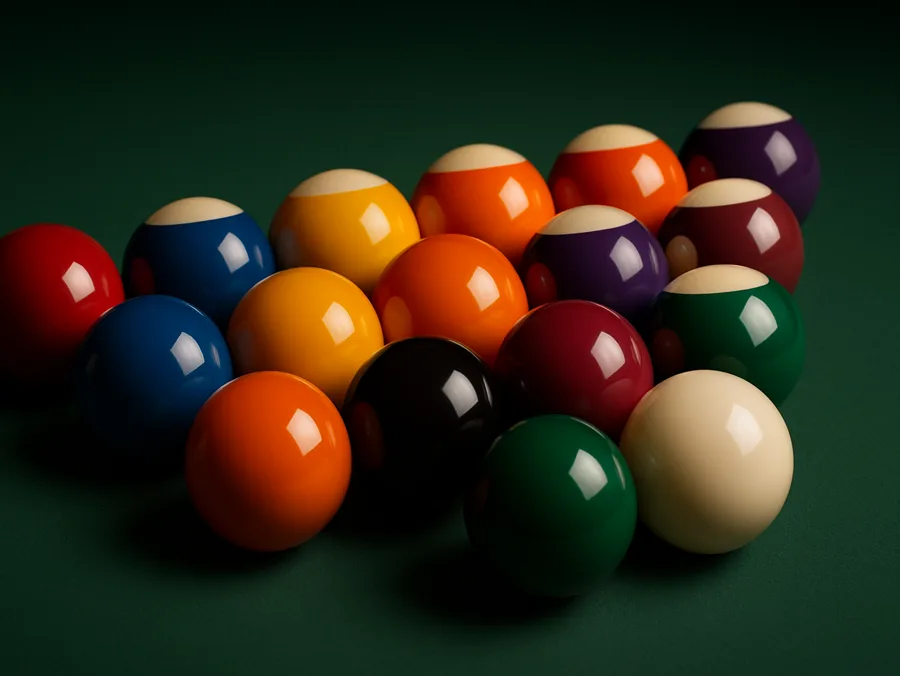
Aramith Crown Standard Ball Set
Regulation 8-ball setHeyball uses standard American-size solids and stripes, so a good phenolic set costs you the same whether you play on loose bar pockets or tight rounded ones.
Check price on Amazon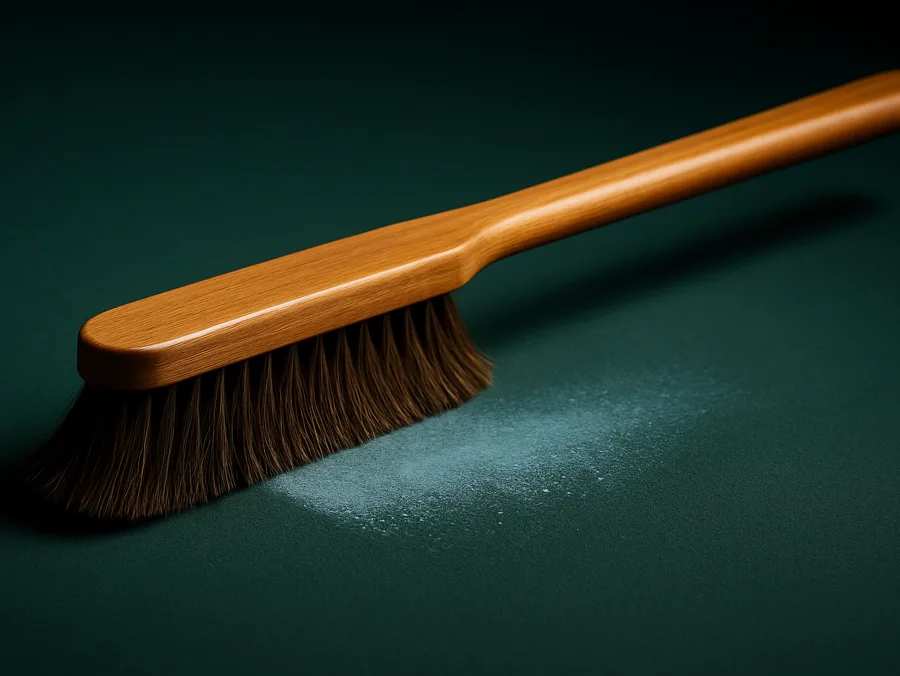
REDECKER Horsehair Billiards Table Brush
Grooming napped clothNapped cloth plays true only when it gets brushed regularly in one direction. A horsehair table brush lifts chalk and dust without scrubbing the surface, which keeps a heyball or snooker bed consistent instead of patchy and slow.
Check price on Amazon
Players Classic Birds-Eye Maple Cue
Accurate all-around playing cueA straight, well-made maple cue with a decent tip is all heyball asks for. This series gives you dependable accuracy without a painful price tag.
Check price on AmazonFrequently asked questions
What is the difference between Chinese 8-ball and regular 8-ball?
The balls and the basic rules are the same: solids, stripes and the 8 last. Chinese 8-ball is played on a snooker-style table with napped cloth, flat cushions and rounded pockets, and under WPA heyball rules nothing is called, not even the 8. The tight pockets make potting much harder.
Is heyball harder than pool?
Yes. The rules are just as simple, but the rounded snooker-style pockets don't steer slightly off-line balls in the way angled pool pockets do, and the napped cloth changes speed and spin. Shots along the cushion are the hardest adjustment.
Do you call shots in heyball?
No. The WPA Rules of Heyball say there is no need to call your shot or designate a pocket, even for the 8-ball, and flukes count. You still have to hit your own group first.
What size is a heyball table?
The WPA spec is a playing area of 2,540 by 1,260 mm, about 100 by 49.6 inches, which is close to a 9-foot pool table. The cushion top sits 800 to 850 mm above the floor.
Is Chinese 8-ball the same as UK blackball?
No. UK blackball uses smaller red and yellow balls, usually on a 7-foot table. Chinese 8-ball uses full-size numbered American balls on a table close to 9-foot size with snooker-style pockets.
Can I play heyball with my normal pool cue?
Yes. The only WPA requirement is a minimum cue length of 101.6 cm (40 inches), which any standard pool cue meets. Some players switch to a snooker-style cue later, but that's a preference, not a rule.
Related guides
LeaguePool is reader-supported. When you buy through links on this site we may earn an affiliate commission at no extra cost to you. As an Amazon Associate we earn from qualifying purchases.