Best Pool Cue Tips: Brands, Hardness Chart and Picks
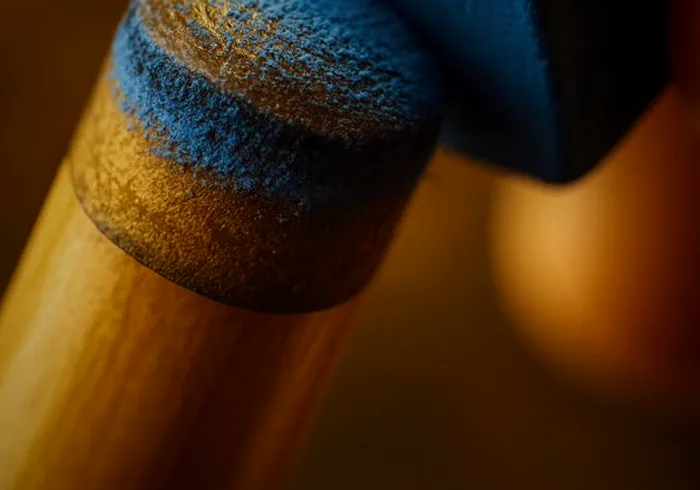
The best tip for most pool cues is a medium layered leather tip, glued on, trimmed flush to your ferrule and shaped to a gentle dome. Kamui, Tiger, Predator Victory, Moori, Zan and UltraSkin all make one. If you'd rather spend a dollar or two per tip and do a little more upkeep, a single-layer Le Pro or Triangle still plays well.
What a tip won't do is add spin by itself. Dr. Dave Alciatore's tests at Colorado State found that for the same contact point on the cue ball, soft and hard playing tips put on the same spin and miscue at the same limit, as long as they're chalked. So you're really choosing feel and upkeep. This page covers the kinds of tips you can buy, a hardness chart with real measurements, what to buy for each situation, and the tools and care that keep a tip playing.
Which tip to buy: the short answer by situation
| Your situation | Buy this | Why |
|---|---|---|
| League or regular player, good cue | Medium layered leather tip | Holds its shape and plays the same from tip to tip |
| Want a softer feel and quieter hit | Soft layered tip | Feels softer in the hand; needs shaping more often |
| Want the longest life and least upkeep | Medium-hard or hard layered tip | Lasts longest and holds a shape; keep it scuffed so it takes chalk |
| Retipping several cues cheaply, or you do your own work | Single-layer Le Pro or Triangle | A dollar or two each in bulk packs; more variation tip to tip |
| Break cue | Very hard leather or phenolic break tip | Passes more energy to the cue ball |
| Basement rack of house cues | Slip-on or 13mm glue-on bulk kit | Fast and cheap; don't use slip-ons on a cue you care about |
If you only change one thing, change who installs it. A layered tip glued off-center or left proud of the ferrule plays worse than a cheap tip put on well.
Types of pool cue tips
There are five kinds of tip on the market, and they aren't interchangeable.
Layered (laminated) leather
Thin sheets of leather, usually pigskin, pressed and glued into one tip. Predator's Victory, UltraSkin's black tip and Moori each have eight layers according to the makers and their retailers. Layering is why these tips hold their shape and why two tips of the same model play alike. PoolDawg's buying guide notes that most professionals use layered tips today. They're sold oversize, usually 14mm (some at 13mm), and trimmed down after gluing.
Single-layer (pressed or solid) leather
One piece punched from pressed leather, which is why retailers often call these pressed tips. Le Pro, Triangle and Elk Master, all made by Tweeten in the USA, are the classics. They're cheap and give a solid hit, but they vary more from one tip to the next and compress as they wear, so they need more trimming and shaping. Over-sanding tears the fibers.
Phenolic and other break tips
Hard resin tips, close to the hardness of the balls, used on break and jump cues. Dr. Dave measured break and jump cues with phenolic tips returning noticeably more energy than playing cues with medium leather tips (more on that below). They hold chalk poorly, which is why nobody plays position with one. Some leagues and rooms ban non-leather tips, so check before you show up with one. Our phenolic vs leather break tips guide covers the choice.
Slip-on tips
A leather tip on a plastic cap that pushes over the end of the shaft. They're the best-selling tips on Amazon by volume, sold in kits of 9, 10, 12 and 13mm. They're fine for a bar or basement cue that would otherwise go unplayed. The cap covers the ferrule and adds a sleeve to the end of the shaft, so keep them off any cue you play seriously.
Screw-on tips
A leather tip on a threaded insert that screws into a matching ferrule. They show up on inexpensive cues and in kits with 12 and 13mm tips and their own white ferrules. Changing one takes seconds, which is the whole appeal. If your cue came with a screw-on tip, buy screw-on replacements in the same size; if it has a regular ferrule, a glue-on tip is the better fix.
Cue tip hardness chart
Tip hardness is measured with a durometer, usually on the Shore D scale. These readings are from one consistent set of 14mm tips that Dr. Dave Alciatore's site reproduces from forum member measurements; the Predator and Moori numbers match the ratings PoolDawg publishes. Higher is harder.
| Tip | Soft | Medium | Hard |
|---|---|---|---|
| Kamui Black | 72.3 (SS: 67.5) | 78.7 | 84.8 |
| Predator Victory | 75.3 | 79.8 | 84.3 |
| Moori | 72.8 | 75.5 | 84.4 |
| Zan | 66.3 | 77.8 | 87.4 |
| G2 | 74.8 | 80.1 | 85.5 |
| Tiger (single grade each) | Everest 75.7, Emerald 76.0, Onyx 76.4, Sniper 77.8 | ||
| Elk Master (single layer) | 66.8 | ||
| Samsara jump/break | 95.5 | ||
Three things to take from it. First, labels aren't standard: Zan's soft is far softer than Predator's soft, and Moori's medium is softer than Kamui's. Second, going from soft to hard inside one brand moves the reading 9 to 21 points, while the mediums from all five brands land within about 5 points of each other. Third, treat any single number loosely. Other datasets on the same page disagree badly: Le Pro reads 74.5 in one and 88.2 in another, and Tweeten's own Amazon listing calls it Medium Hard 78. Batches vary, and tips harden as they're played.
Retail articles also publish durometer bands (one common version: soft 55 to 65, medium 66 to 75, hard 76 to 85, phenolic 86 and up). The measured mediums above sit at 75 to 80, so those bands don't match real tips well. Use the label within a brand and the chart to compare across brands. For what hardness does to your game, see soft vs medium vs hard cue tips.
Cue tips by brand
Most searches for a tip start with a brand name. Here is where the common ones sit, using the same measurements as the chart above.
| Brand | Build | Made in | Grades | Medium reads |
|---|---|---|---|---|
| Kamui (Original, Black, Clear) | Layered pigskin | Japan | Super soft to hard | 78.7 (Black) |
| Predator Victory | 8 layers | Japan | Soft, medium, hard | 79.8 |
| Tiger (Sniper, Onyx, Everest, Emerald) | Laminated; Sniper is boar hide | USA | One grade per model | 75.7 to 77.8 |
| Moori | 8 layers pigskin | Japan | Soft, medium, hard | 75.5 |
| Zan | Layered Japanese pigskin | Japan (leather) | Plus S/M/H and named Premium grades | 77.8 |
| UltraSkin | 8 layers pigskin | Not stated | Very soft to Heavy Hitter | 72.1 (listing rating) |
| Le Pro, Triangle, Elk Master (Tweeten) | Single layer (pressed) | USA | One grade each | Le Pro rated Medium Hard 78; Elk Master about 67 |
Head-to-heads (Victory vs Kamui, Moori vs Kamui, Sniper vs Kamui) and how to spot a counterfeit Kamui are in cue tip brands compared.
Layered or pressed (single-layer): is the premium tip worth it?
A pressed tip is one solid piece of compressed leather. A layered tip is several thin sheets of leather glued into one. For a cue you play every week, the layered tip is worth it. It costs more up front but needs less shaping and plays the same from install to install, which is what most players are really paying for. Kamui says outright that its process is built around low variation between tips.
Single-layer tips win on price and on simplicity. If you retip your own cues, keep a team's worth of house cues alive, or simply like the feel of a Le Pro, there's nothing wrong with them. Expect to throw away the odd tip that's too hard or too spongy, and expect more mushrooming as it compresses.
| Layered leather | Single-layer leather | |
|---|---|---|
| Typical cost | About $6 to $14 for budget layered; $19 to $33 for Kamui, Predator, Zan, Moori Japan at billiard retailers | A dollar or two each in 12-packs |
| Consistency tip to tip | High | Variable |
| Mushrooming | Little | More, especially early on |
| Upkeep | Occasional scuff and shape | More frequent shaping and trimming |
| Typical life | Often a bit shorter; tends to end by delaminating or glazing | Often a bit longer; tends to end by wearing thin or mushrooming |
| Who should buy it | Anyone with one main cue | DIY retippers, house cues, Le Pro fans |
Brand by brand, including Kamui Original vs Black and Predator Victory vs Kamui, is in our cue tip brands compared guide.
What a better tip changes, and what it doesn't
Most tip marketing promises more spin. Dr. Dave's measurements say a typical soft and a typical hard playing tip put the same spin on the cue ball for the same contact point and speed, and with proper chalk they miscue at the same distance from center (about half the ball's radius). Hardness has no practical effect on squirt either. Chalk brand doesn't move the miscue limit; our premium chalk comparison has the numbers.
What a tip does change:
- Feel and sound. Softer tips feel softer in the grip hand and sound more like a thud.
- Speed off the tip. Harder tips are slightly more efficient, so the cue ball comes off a touch faster for the same stroke.
- How long it lasts and holds a shape. Harder lasts longer.
- How well it holds chalk. Softer holds chalk better; a glazed tip of any hardness holds it poorly.
- Consistency. Layered tips stay the same longer.
That's why a glazed, flattened tip makes you miscue and a fresh one doesn't. The fix is usually condition, not brand. If you're chasing more draw or English, our tips for draw and English page goes through what actually helps.
Size: 13mm, 14mm and fitting your shaft
Glue-on tips are trimmed to the ferrule, so the tip's sold size only has to be at least as wide as your shaft. Most premium tips come at 14mm, and that fits any shaft from 11.8 to 13mm once trimmed. A 12mm tip won't cover a 13mm ferrule. Measure the ferrule with a caliper, not the old tip. Our pool cue tip size guide has the full chart, including snooker sizes and what diameter does to squirt.
Changing a pool cue tip: shop or DIY
Both work. A cue shop with a lathe trims the tip perfectly flush and centered, and the labor is the same whether you bring the tip or they supply it. Doing it yourself takes a sharp blade, a clamp, sandpaper and a cyanoacrylate gel glue; Dr. Dave's site has a 10-step method that needs no special tools. The steps, mistakes to avoid and drying times are in how to replace a pool cue tip, glue choices in best glue for cue tips, and shop prices in what it costs to retip a cue.
How often? Most regular players replace a tip every 6 to 12 months. Casual players often get a year or more, people who play most days need one every few months, and a hard tip that's chalked well and rarely scuffed can go several years. Change it sooner when it won't hold chalk even after scuffing, when it's mushroomed past the ferrule and won't stay trimmed, or when it's worn so thin there's almost nothing left above the ferrule. Predator suggests every few months for someone who practices a few times a week. Our tip life guide covers the signs.
Cue tip tools: shaper, scuffer, clamp and the rest
You need two tools to keep a tip playing, and a few more only if you install your own.
- A shaper puts the dome back. Cube-style shapers come in nickel or dime radius.
- A scuffer or tapper roughens a glazed surface so it takes chalk. Dr. Dave's advice is to tap more and scuff less, since sanding wears the tip away.
- A tip clamp holds a new tip centered while the glue sets.
- A trimmer or a sharp razor cuts the tip flush; a lathe does it best but belongs in a shop.
- A burnisher or leather pad smooths the trimmed side so it doesn't fray.
Multi-tools that combine a shaper, scuffer, pick and burnisher sell well and are fine for maintenance. For picks by tool type see best cue tip tools and shapers, for full kits see cue tip repair kits, and for technique see how to scuff and shape a cue tip.
Cue tip maintenance in four habits
- Chalk before every shot. Chalk is slightly abrasive and keeps the surface textured.
- Tap or lightly scuff when the tip starts to look shiny.
- Reshape when the dome flattens, and trim any mushroom over the ferrule before it chips.
- Break with a break cue, not your playing cue, if you can.
A brand-new tip takes a few sessions to settle; how to break in a new cue tip covers that. A tip protector or cover only matters if your cue rides loose in a bag; in a proper case the tip is already protected.
Buying checklist and common mistakes
- Pick hardness first, brand second. A medium from any good brand beats the wrong hardness from the best brand.
- Check the size is at least your ferrule diameter.
- Buy premium tips from a billiard retailer or the maker's authorized sellers. Kamui runs a Real or Fake page and an authorized installer program because counterfeits exist.
- Don't put a slip-on tip on a good cue.
- Don't buy a soft tip expecting more spin. Buy it because you like the feel.
- Don't judge a new tip on its first night. Give it a week of play.
Sources
- Dr. Dave Alciatore: cue tip hardness effects
- Dr. Dave Alciatore: tip hardness comparison chart
- Dr. Dave Alciatore: tip hit efficiency
- Dr. Dave Alciatore: miscue limit
- Dr. Dave Alciatore: cue tip care
- Dr. Dave Alciatore: replacing a tip
- Predator: Victory tip specifications
- Predator: when to replace a cue tip
- Kamui: how its tips are made
- PoolDawg: Moori tip specifications and hardness ratings
- FCI Billiards: cue tips, pressed vs layered and replacement FAQ
- Cue Components: UltraSkin tip specifications
Our picks
Links open the current selection and price on Amazon so you can compare real reviews before buying.

Tiger Sniper Laminated Cue Tip
Best all-around playing tipTiger rates the Sniper soft-medium, and measured charts put it at 77.8, right in the middle of the medium pack. It's made in the USA from boar hide that Tiger tans underground for up to a year, and a black layer near the base tells you when it's time to retip. If you want one tip to stop thinking about, start here.
Check price on Amazon
Kamui Clear Black Soft Layered Tip, 13mm
Softer feel, premium buildKamui's Clear base limits how much glue soaks into the bottom layer and is flat, so there's no sanding before you glue. That's the detail installers care about: the tip plays the same after every retip. Pick it for a soft, quiet hit, and keep a shaper handy.
Check price on Amazon
UltraSkin Black Layered Cue Tip (Medium)
Budget layered tipEight layers of black pigskin rated Medium 72.1, sold at 14mm so it trims down to any common shaft, with a bottom indicator so you glue the right side. A layered tip at a fraction of the Japanese premium price, which makes regular retips painless.
Check price on Amazon
Tweeten Le Pro 13 mm Cue Tips, 12 Pack
Cheapest good tipThe classic single-layer tip, made in the USA by Tweeten and rated Medium Hard 78 on the listing. A dozen covers a season of retips for a team or a rack of house cues. Expect to shape them more than a layered tip.
Check price on Amazon
Tiger Laminated Super Hard Break Tip, 13 mm
Break cuesA super hard laminated leather tip from cow and pig hide, vacuum-laminated with the bottom half built for power and the top half for control. Leather, so it's allowed where phenolic tips aren't. For a break cue only.
Check price on Amazon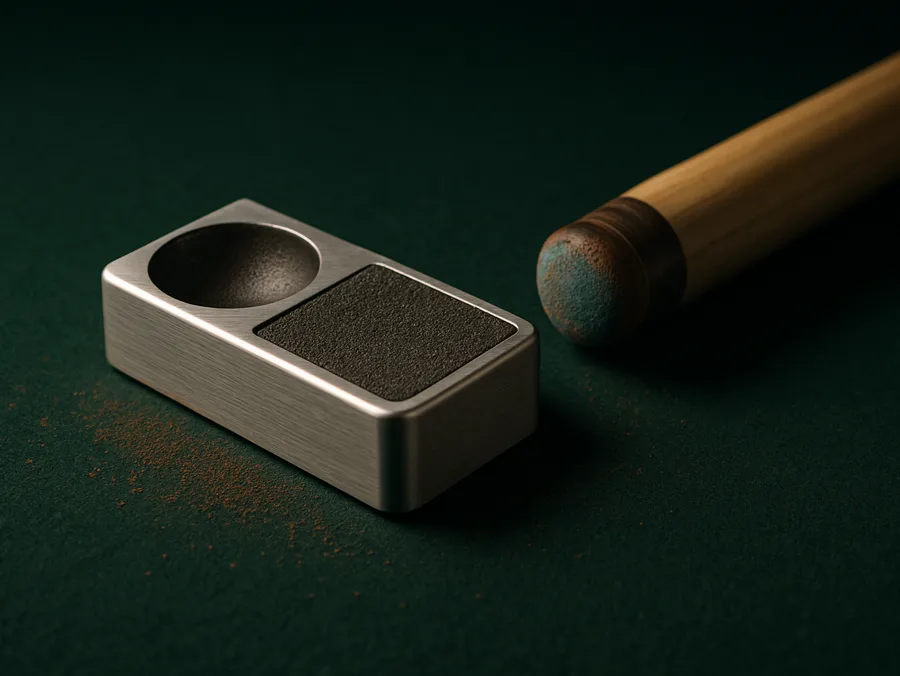
Cue Cube 2-in-1 Tip Shaper and Scuffer
Keeping any tip playingOne side shapes the dome to a set radius, the other roughens the surface so it holds chalk. Made in the USA from metal and silicon carbide, in nickel or dime profile. It does more for a tired tip than buying a new brand.
Check price on AmazonFrequently asked questions
What is the best tip for a pool cue?
For most players, a medium layered leather tip such as a Tiger Sniper, Kamui, Predator Victory, Moori, Zan or UltraSkin, installed flush and shaped to a gentle dome. On a tight budget, a single-layer Le Pro or Triangle plays well with more frequent shaping.
How often should a pool cue tip be replaced?
Most regular players replace a tip every 6 to 12 months. Casual players often get a year or more, players who are at the table most days need one every few months, and a hard tip that is chalked well and rarely scuffed can last several years. Replace it sooner if it won't hold chalk after scuffing, is cracked or delaminating, or has very little leather left above the ferrule.
What is the difference between layered and pressed cue tips?
A pressed tip is cut from one solid piece of compressed leather, like a Le Pro or Triangle. A layered tip is several thin sheets of leather bonded together, like a Kamui, Tiger Sniper or Predator Victory. Layered tips are more consistent from tip to tip and mushroom less. Pressed tips are much cheaper and often last a bit longer, but vary more and need more trimming.
What are the different types of pool cue tips?
Layered leather, single-layer leather, phenolic or other hard break tips, slip-on tips with a plastic cap, and screw-on tips with a threaded insert. Glue-on leather is what good cues use; slip-on and screw-on tips are for inexpensive and house cues.
Are screw-on pool cue tips any good?
They're fine on the inexpensive cues built for them, and they change in seconds. Use replacements that match the cue's existing screw-on ferrule size. On a cue with a normal ferrule, a glued leather tip plays better.
Is there a cue tip hardness chart?
Yes. Durometer readings on the Shore D scale put most medium playing tips between about 75 and 80, soft tips in the high 60s to mid 70s, hard tips around 84 to 87, and phenolic break tips in the 90s. Labels differ between brands, so compare measured numbers rather than the word on the box.
Do softer tips give more spin?
No, not for the same contact point and speed. Dr. Dave Alciatore's tests found soft and hard playing tips put on the same spin and miscue at the same limit when chalked. Soft tips feel different and hold chalk better; they don't add spin.
What is the best pool cue tip for breaking?
A very hard leather break tip or a phenolic tip on a dedicated break cue. Phenolic returns more energy to the cue ball, but some leagues and rooms only allow leather, so check your rules.
Should I buy 13mm or 14mm tips?
Either fits a 13mm shaft, because glue-on tips are trimmed flush after gluing. Most premium tips come in 14mm. Never buy a tip smaller than your ferrule.
How much does it cost to replace a pool cue tip?
The tip itself runs from a dollar or two for a single-layer tip in a bulk pack to about 19 to 33 dollars for premium layered tips at billiard retailers. Shop labor is extra; our cost-to-retip guide lists current shop prices.
Can I change a pool cue tip myself?
Yes, with a sharp blade, sandpaper, a clamp and gel super glue. The hard part is trimming flush without nicking the ferrule. A shop with a lathe does it faster and cleaner if you only have one good cue.
Are Walmart or big-box cue tips worth buying?
Big-box stores mostly stock slip-on kits and basic glue-on tips. They're fine for house cues. For a cue you play seriously, buy a layered tip from a billiard retailer or the maker's authorized sellers.
Do I need a tip clamp?
Only if you install your own tips. A clamp holds the tip centered while the glue sets. For maintenance, a shaper and a scuffer or tapper are all you need.
Related guides
LeaguePool is reader-supported. When you buy through links on this site we may earn an affiliate commission at no extra cost to you. As an Amazon Associate we earn from qualifying purchases.